Key Takeaways
- Technical SEO is necessary for enhancing search engine rankings and user experience.
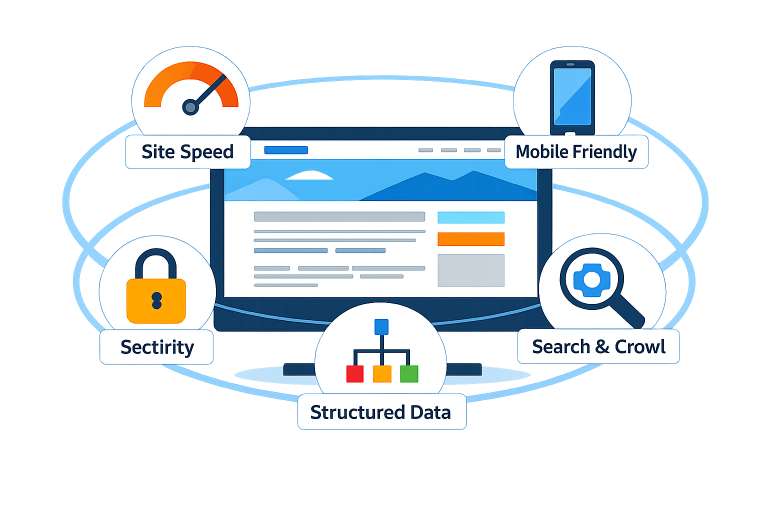
- Vital technical areas include site speed, mobile usability, HTTPS security, structured data, and crawlability.
Ongoing evaluation and technical improvements are needed for lasting SEO health. In the fast-paced world of digital marketing, ensuring your website is technically optimized is a foundational requirement for success. Technical SEO practices not only improve your search engine visibility but also deliver a smooth user experience. For those looking to enhance their website’s performance and search rankings, exploring how Victorious technical SEO can provide expert guidance is an important first step.
Modern search engines prioritize technically sound websites, recognizing that factors such as speed, security, and usability directly influence user satisfaction. Even the most compelling content can be overlooked if the underlying framework of your website fails to meet today’s standards. As competition for digital attention intensifies, mastering technical SEO fundamentals has never been more critical.
From optimizing for mobile devices to safeguarding user data through secure protocols, each aspect of technical SEO contributes to a more engaging and accessible web presence. By addressing these components, brands can not only improve their organic rankings but also ensure visitors have a positive experience that encourages them to return.
Site Speed and Performance
Speed is a defining feature of modern websites. The longer a page takes to load, the higher the risk that visitors abandon your site in favor of a competitor. According to a report by Moccu, improving mobile site speed can significantly boost conversions. Techniques to enhance site performance include compressing images with next-gen formats like WebP, minifying scripts and stylesheets, leveraging browser caching, and deferring non-critical resources.
Monitoring metrics with tools enables webmasters to address bottlenecks before they affect real users. Fast-loading pages not only improve bounce rates but also signal quality to search engines, boosting visibility for key queries.
Mobile-First Indexing
The shift to mobile-first indexing means Google now predominantly crawls and indexes the mobile version of your website. Sites that ignore mobile optimization risk losing out on valuable rankings and traffic. Adopting responsive web design, ensuring short load times on mobile devices, and using appropriately sized touch targets all contribute to better mobile performance.
Testing your site’s mobile compatibility is simple using Google’s Mobile-Friendly Test tool. Ensuring parity between mobile and desktop content, including headings and structured data, is also crucial for accurate, comprehensive indexing.
Secure HTTPS Protocol
Web users and search engines alike value secure browsing experiences. HTTPS encrypts the data exchange between the server and the visitor, adding a layer of protection against cyber threats. Google labels non-secure (HTTP) sites as “Not Secure,” which can significantly deter website visitors. Upgrading to HTTPS involves installing an SSL certificate, redirecting all traffic to the secure version, and resolving any mixed content warnings.
Structured Data Markup
Structured data enables search engines to better interpret the context of your content, which can lead to enriched search listings known as rich snippets. Implementing schema.org vocabulary across articles, products, FAQs, and events helps clarify meaning and relevance. Validating structured data using Google’s Rich Results Test ensures correct implementation and eligibility for enhanced SERP features.
This technical layer contributes to higher click-through rates and improves user confidence by offering detailed previews in search results.
Crawlability and Indexability
Crawlability ensures search engines discover your important pages, while indexability confirms those pages are eligible to appear in results. Submitting comprehensive XML sitemaps to major search engines, maintaining up-to-date robots.txt directives, and regularly fixing crawl errors are foundational practices. Canonical tags prevent duplicate content issues, consolidate ranking signals, and organize your site’s authority structure.
Frequent review and proactive issue resolution will ensure your site’s visibility remains strong even as new pages and content types are added.
Core Web Vitals
Core Web Vitals are a trio of user-focused performance metrics that Google considers for ranking: Largest Contentful Paint (LCP), First Input Delay (FID), and Cumulative Layout Shift (CLS). LCP measures how quickly the main content loads. FID tracks responsiveness to user interactions. CLS gauges layout stability during loading. Targeting key thresholds LCP under 2.5 seconds, FID below 100 milliseconds, and CLS under 0.1 improves both user experience and search potential.
Internal Linking and Site Structure
An effective internal linking strategy connects related content, distributes page authority, and helps users (and search crawlers) navigate with ease. Descriptive anchor text, a shallow website architecture, and ensuring all critical content is within a few clicks of the homepage are recommended practices. Logical hierarchy and interconnections enable faster crawling and ensure valuable pages are not buried deep within your website.
Additionally, by continuously analyzing internal links, you can uncover opportunities to strengthen relationships between core pages and underperforming assets. Reviewing your internal linking structure regularly ensures your most valuable content receives the attention it deserves and that no important pages are left orphaned in the site’s main navigation.
Final Thoughts
Mastering the core principles of technical SEO is a powerful investment for any modern website. By addressing speed, mobile usability, security, structured data, crawlability, Core Web Vitals, and site structure, you lay the groundwork for exceptional organic search performance. Continual improvement and vigilance in technical SEO will keep your site thriving in an increasingly competitive digital environment. As new web technologies and search engine requirements emerge, staying current with best practices will ensure your site continues to perform and retains visibility over time.