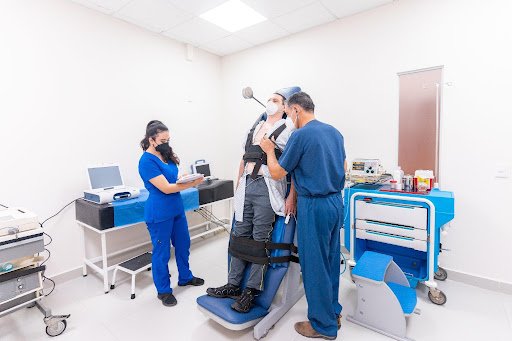
Depression is a complex mental health condition that affects millions of individuals across the United States. While traditional treatments such as therapy and medication are often effective, some patients struggle to find relief through these methods alone. As a result, newer approaches have gained attention, offering hope to those who have not responded well to conventional care. One such advancement is Transcranial Magnetic Stimulation, a non-invasive treatment that is helping patients regain stability and improve their quality of life.
Understanding How TMS Works
Transcranial Magnetic Stimulation is a modern therapeutic technique that targets specific areas of the brain associated with mood regulation. Using magnetic pulses, this treatment stimulates nerve cells in regions that are often underactive in people with depression. Unlike medications that affect the entire body, TMS focuses directly on brain activity, making it a more targeted solution.
The procedure is typically performed in an outpatient setting and does not require anesthesia or sedation. Patients remain awake and alert throughout each session, which usually lasts less than an hour. Because it is non-invasive, there is minimal recovery time, allowing individuals to continue their daily routines with little interruption.
Benefits for Patients Who Haven’t Responded to Traditional Treatments
One of the most significant advantages of TMS therapy is its effectiveness for individuals who have not found success with antidepressants or psychotherapy. Many patients experience relief after multiple treatment sessions, even when they have struggled with persistent symptoms for years.
TMS is also associated with fewer side effects compared to medication. While antidepressants can sometimes cause weight gain, fatigue, or digestive issues, TMS generally produces mild and temporary side effects such as scalp discomfort or slight headaches. This makes it an appealing option for those who are sensitive to medications or prefer drug-free treatment approaches.
In addition, the results can be long-lasting. Patients often report gradual improvements in mood, sleep patterns, and overall mental clarity. These improvements contribute to a better sense of well-being and can help individuals re-engage with work, relationships, and personal goals.
Why Los Angeles Is a Hub for Advanced Mental Health Care
Los Angeles has become a leading destination for innovative mental health treatments, offering access to highly trained professionals and state-of-the-art facilities. The city’s healthcare providers are often at the forefront of adopting new technologies and treatment methods, ensuring patients receive comprehensive and personalized care.
Those seeking TMS treatment in LA benefit from clinics that integrate this therapy into broader mental health programs. These programs may include therapy, lifestyle coaching, and ongoing monitoring to ensure sustained results. The combination of advanced technology and holistic care creates an environment where patients can feel supported throughout their recovery journey.
Additionally, many clinics in Los Angeles emphasize patient comfort and convenience. Flexible scheduling, supportive staff, and modern facilities all contribute to a positive treatment experience. This attention to detail can make a meaningful difference for individuals who may already feel overwhelmed by their condition.
What to Expect During the Treatment Process
Patients considering TMS therapy often have questions about what the process involves. The first step typically includes a comprehensive evaluation conducted by a qualified professional. During this assessment, a personalized treatment plan is created based on the individual’s medical history and specific symptoms.
Once treatment begins, sessions are scheduled multiple times per week over several weeks. Consistency is key, as the cumulative effect of repeated stimulation leads to noticeable improvements over time. During each session, a magnetic coil is placed against the patient’s scalp, delivering controlled pulses to targeted brain areas.
Most patients begin to notice changes after a few weeks. These changes may include improved mood, better concentration, and increased motivation. As treatment progresses, these improvements often become more pronounced, helping patients regain a sense of normalcy in their daily lives.
Follow-up care is another important component of the process. Providers may recommend maintenance sessions or additional support to help sustain the benefits of treatment, ensuring that patients continue to thrive beyond the initial therapy period.
Supporting Long-Term Mental Wellness
While TMS therapy can significantly reduce symptoms of depression, it is most effective when combined with broader mental health strategies. Many patients find success by incorporating healthy lifestyle habits such as regular exercise, balanced nutrition, and stress management techniques into their routines.
Therapeutic support, including counseling or support groups, can also enhance the effectiveness of treatment. These resources provide patients with tools to manage stress, process emotions, and build resilience over time.
Another important factor is early intervention. Seeking help at the first signs of persistent depression can improve outcomes and reduce the risk of symptoms worsening. In a city like Los Angeles, where advanced treatment options are widely available, patients have access to a variety of resources designed to support long-term recovery.
Conclusion
Depression can be a challenging and isolating condition, but advancements in treatment are making recovery more attainable than ever before. Transcranial Magnetic Stimulation offers a promising option for individuals who have not found relief through traditional methods. With its targeted approach, minimal side effects, and proven effectiveness, it is helping many patients regain control of their mental health.
Access to high-quality care plays a crucial role in successful treatment, and Los Angeles provides an ideal environment for exploring innovative solutions. By combining modern technology with compassionate support, patients can take meaningful steps toward healing and a more balanced life.