Table of Contents
- Community Property vs. Equitable Distribution
- Marital vs. Separate Property
- Factors Influencing Property Division
- Valuation of Assets
- Handling Debts
- Special Considerations
- The Importance of Legal Guidance
Going through a divorce can be emotionally and financially taxing, especially when it comes to dividing property. Knowing the specific laws and processes for dividing marital assets in New Hampshire can make the transition smoother for everyone involved. If you have questions about your rights or want professional guidance, experienced legal support is available through NH Asset Division Help.
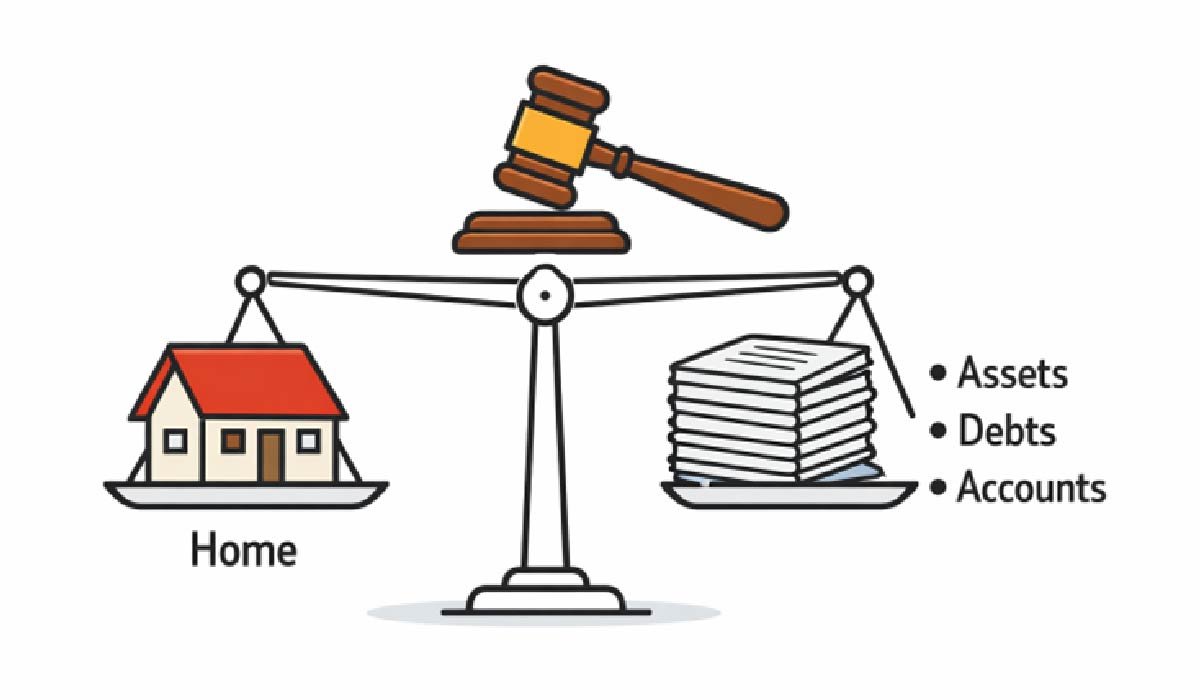
Understanding how courts handle the split of your home, retirement accounts, debts, and other property can help you prepare for the process. Awareness of the key factors and the distinction between what is considered marital and separate property helps you to set realistic expectations during the proceedings.
Property division in New Hampshire does not necessarily result in a 50-50 split. Instead, the law focuses on fairness, and courts must take various factors into account to reach an equitable result. Whether your divorce involves complex financial situations or straightforward assets, careful planning and knowledge about New Hampshire’s procedures can protect your interests during this major life transition.
The property division process in New Hampshire has its unique rules and nuances, so having a clear understanding is essential for a smoother divorce experience.
Community Property vs. Equitable Distribution
The approach to dividing property in divorce cases across the United States varies widely based on whether a state follows community property or equitable distribution principles. New Hampshire is an equitable distribution state, which means the court divides marital property fairly, not necessarily equally. Unlike community property states such as California, where laws dictate a strict 50-50 split, New Hampshire judges have discretion and take into account many factors to ensure fairness. Each spouse may walk away with a different share of the assets, depending on individual circumstances and contributions to the marriage.
Marital vs. Separate Property
In New Hampshire, marital property generally includes all assets and debts acquired by either spouse during the marriage. This category spans everything from your family home to retirement accounts, investments, vehicles, and more. Separate property encompasses assets one spouse owned before the marriage or acquired as an individual gift or inheritance. However, if separate property is commingled with marital assets or used for family benefit, it could be divided as part of the marital estate. Courts carefully examine records and use evidence to distinguish between joint and individual assets.
Factors Influencing Property Division
New Hampshire law tasks judges with weighing numerous factors when determining how to fairly divide property. These factors often include the length of the marriage, the age and health of each spouse, each person’s economic and non-economic contributions, future earning capacity, and the value of individual retirement or pension benefits. The court may also consider any past misconduct that affected the financial status of the couple, as well as the custodial responsibilities for shared children. Every case is unique, and the outcome depends on careful examination of these details.
Valuation of Assets
Before dividing assets, courts must establish the fair market value of all marital property. This can involve property appraisals for real estate, professional evaluations for business interests, and the assessment of bank accounts, stock portfolios, and retirement funds. When necessary, the court will call upon independent experts to ensure assets are valued accurately. In high-asset divorces or situations involving complex holdings such as closely-held businesses, qualified financial analysts and forensic accountants are often essential to provide a transparent accounting.
Handling Debts
Debts, just like assets, are divided equitably in New Hampshire. Both spouses are generally responsible for obligations incurred during the marriage, regardless of which name appears on the debt. The court will examine who benefited from the debt, each party’s ability to pay, and the circumstances surrounding its accrual. This ensures that the burden of credit card balances, mortgages, car loans, and other liabilities is distributed fairly, in consideration of each spouse’s financial future.
Special Considerations
Certain properties and financial interests require additional attention. Retirement accounts and pensions, for example, often require the issuance of a Qualified Domestic Relations Order (QDRO) so that funds can be split without adverse tax consequences. Family-owned businesses, intellectual property, and unique assets might call for outside expertise to determine a fair value and an equitable way to divide or distribute them. Tax implications should always be considered before reaching a final settlement, given that different types of assets can have severely different long-term tax results for each spouse.
The Importance of Legal Guidance
The complexities of dividing marital property in New Hampshire require careful planning and, in most cases, competent legal representation. A skilled family law attorney can help you understand your rights, negotiate directly with your spouse or their attorney, and provide vital assistance in documenting and valuing assets. If disputes arise, your legal counsel can advocate for your interests in court and help secure a settlement that reflects both state law and the unique realities of your marriage.
Understanding the principles and procedures at play in New Hampshire divorces is essential to making informed choices, minimizing conflict, and safeguarding your financial well-being as you move forward.