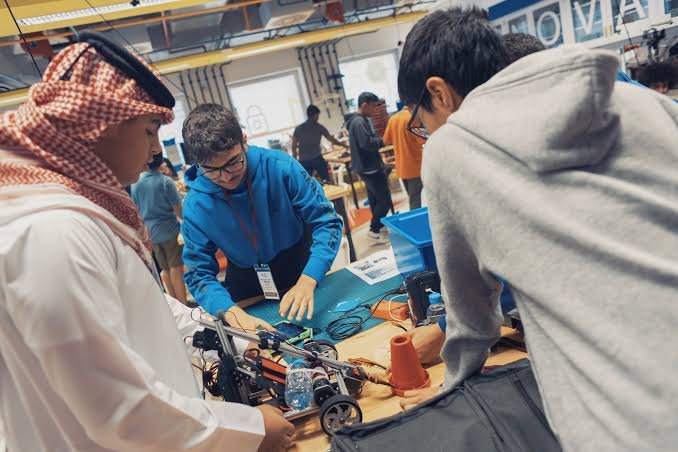
Qatar is pushing hard into a knowledge-based economy, and that shift creates real opportunities for IT and engineering students.
If you’re studying IT or engineering in Qatar in 2026, your dissertation isn’t just another box to tick. It’s your chance to actually matter in the country’s big push toward a knowledge economy. We’ve spent years helping students here at places like Qatar University, Carnegie Mellon Qatar, and Texas A&M Qatar turn decent ideas into strong, defendable work. And the pattern is clear: the topics that land best right now are the ones that line up with Qatar’s real-world priorities instead of chasing some abstract global trend.
The Digital Agenda 2030 is everywhere in conversations these days, and for good reason. It just got recognized by the UN as a global best practice for digital transformation. That means anything tied to AI adoption, smart infrastructure, cybersecurity, or sustainable energy has built-in relevance. You’re not writing in a vacuum; you’re contributing to national goals that employers like QatarEnergy, Ooredoo, and the smart-city teams actually care about.
Interdisciplinary angles almost always score higher because that’s how real projects work here. And honestly? When the analysis or writing phase drags (and it will), plenty of students turn to quality online assignment help just to stay on track without losing their minds.
Here are the areas that stand out for 2026 because they reflect active national investments and open clear research gaps you can actually fill.
AI and Machine Learning for Energy Systems
Qatar’s energy sector is shifting fast, and AI is right at the center of it. One topic that keeps coming up strongly is “AI-Driven Predictive Maintenance and Optimization in Qatar’s Hybrid Energy Infrastructure.” You can dig into how machine learning cuts downtime or handles the crazy desert conditions while the country moves toward more renewables and hydrogen.
Students pull real data from local grids and show 20-40% efficiency gains in models; stuff that actually impresses committees because it’s practical. HBKU’s recent workshops on AI for resilient power systems prove this isn’t theory; it’s already being tested here. Pick this if you like mixing coding with real impact.
Cybersecurity for Smart City IoT Networks
With Lusail, Msheireb, and the rest of Doha getting more connected every month, security isn’t optional. A focused angle like “AI-Powered Threat Detection in Qatar’s Expanding Smart City IoT Ecosystems” works brilliantly. You can look at privacy-preserving tools or real-time intrusion systems built for local conditions.
The National Cyber Security Agency’s guidelines for secure AI use give you solid policy hooks. Students who went this route last year told me their defense felt easier because the topic matched what regulators are actively worrying about. It’s technical enough to show skill but broad enough to include real-world Qatar examples.
Digital Twins and Edge Computing for Urban Management
This one excites us personally. “Developing Digital Twins for Sustainable Resource Management in Doha’s Smart Districts” is gold right now. Msheireb Properties just rolled out an AI-powered platform with Ooredoo and Honeywell – perfect case study material. You simulate traffic, energy use, or climate resilience using actual city data and edge computing for low-latency decisions.
It’s hands-on, visual, and ties straight into the Digital Agenda’s push for smart infrastructure. We always tell students: if you can prototype even a small twin for a single neighborhood, your work stands out way more than pure theory.
Sustainable and Smart Energy Solutions
Engineering minds love this space. Try “Hybrid Renewable Storage Systems Tailored for Qatar’s Arid Climate.” Focus on solar-plus-storage setups or green hydrogen integration against national targets. Or go deeper with “AI-Optimized Smart Grids for Qatar’s Mixed Energy Landscape.”
Recent university research out of QU shows machine learning already boosting PV forecasting and demand response here. It’s timely, data-rich, and supports the diversification everyone’s talking about. Plus, funding bodies notice sustainability angles.
Ethical AI and Responsible Governance
Don’t sleep on the human side. “Building Responsible AI Frameworks That Fit Qatar’s Cultural and Regulatory Context” is gaining real traction. With the new AI ethics charter and guidelines rolling out, you can explore bias reduction in public services or healthcare applications.
We’ve seen committees light up over this because it shows you’re thinking beyond code. It’s interdisciplinary, which is a quiet strength in Qatar’s research scene right now.
Blockchain for Transparent Logistics and Trade
Qatar wants to be a global hub, so “Blockchain Solutions for Secure Supply Chain Management in Qatar’s Trade Ecosystem” delivers. Look at ports, finance, or data sovereignty rules. Students who built small prototypes here got great feedback for combining tech with local business needs.
How to Actually Pick and Develop One
Here’s the practical bit most guides skip: start with your university’s latest research calls; QU, HBKU, and the others publish them openly. Narrow fast to one specific Qatar problem instead of something huge. Grab open government datasets, attend the local tech events popping up, and talk to industry folks early.
The best dissertations we’ve seen weren’t the flashiest; they were the ones that felt useful. They answered real questions Qatar is asking in 2026: how do we make AI safe and local? How do we run cities smarter in this climate? How do we secure everything while we grow?
If you want solid support turning your chosen topic into a polished, committee-ready thesis, a proper dissertation writing services can handle the heavy lifting on structure and formatting while you own the research that actually fires you up.
Pick something that genuinely interests you, ground it in what’s happening outside the classroom, and you’ll end up with work that doesn’t just pass, it opens doors. That’s what we’ve watched happen time and again.