Introduction
Modern life demands better systems. People want smarter planning, stronger materials, and more efficient ways to manage both work and home. That is one reason why interest in Plangud is growing. The term sounds simple, but its meaning is not always clear because it appears in more than one context. Some people use it when talking about planning, productivity, and project management. Others connect it with wooden planks, flooring, and interior design. Because of this, many readers search for questions like What is Plangud, Plangud mean? “, and where Plangud is actually used.
In simple words, Plangud can refer to a planning and productivity system, a project management and habit-tracking platform, engineered flooring or wooden planks used in construction, and even a modern planning philosophy built around strategy, flexibility, and practical results. This wide use makes the term interesting, but it also creates confusion for new readers. A clear explanation is important.
This article will explain Plangud’s meaning in an easy and detailed way. It will cover Plangud in planning and productivity, Plangud as flooring and wooden planks, its features and benefits, its practical uses, comparison with alternatives, and its future importance. By the end, readers will have a complete understanding of Plangud and why the term is getting so much attention.
What Is Plangud?
Plangud is a modern multi-concept term that refers to a planning system, productivity platform, and engineered wooden plank material used in construction and design. The term represents structured planning, smart productivity, and durable material solutions depending on the context. This is the clearest way to define it. Instead of having only one narrow meaning, Plangud works as a flexible term that applies to both digital systems and physical materials.
In the planning and productivity world, Plangud describes an organized way of managing tasks, goals, routines, and projects. It suggests smart structure, better workflow, and a more balanced approach to getting things done. In business strategy, the term can describe a method that combines planning with clear action and continuous improvement. Personal productivity, it can refer to a system that helps people stay focused, manage time well, and connect daily work with long-term goals.
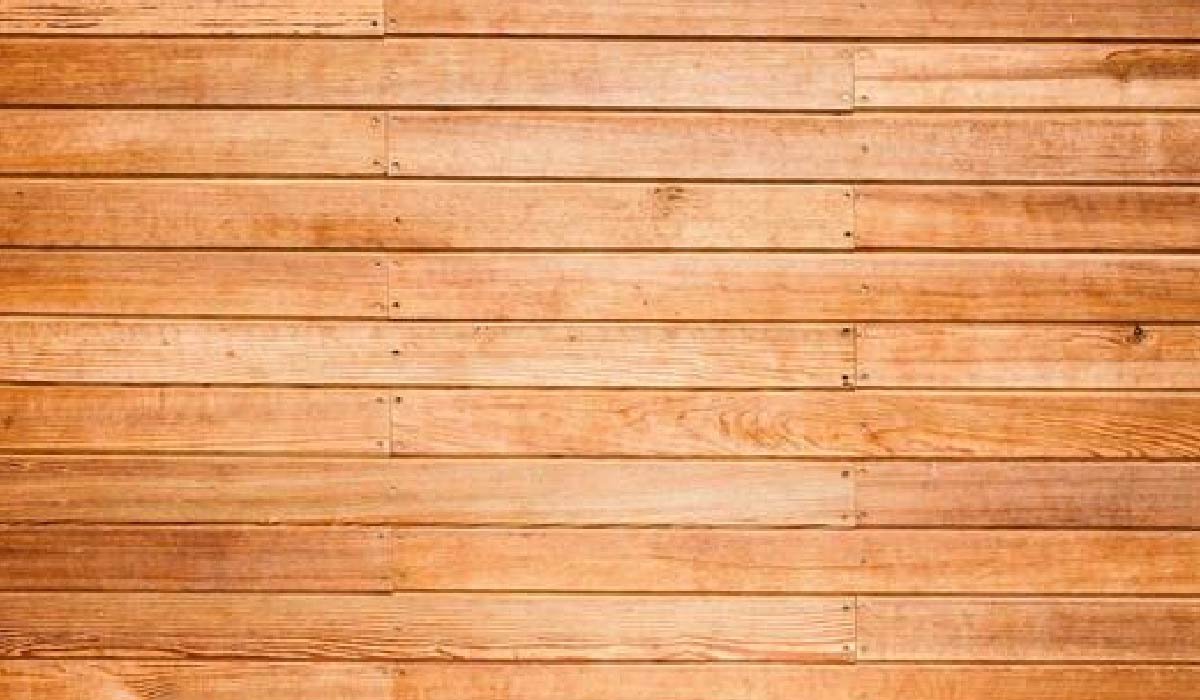
In construction and design, Plangud refers to engineered wooden planks or flooring materials valued for strength, style, and reliability. These materials are used in homes, offices, and commercial spaces where durability and appearance both matter. The keyword is growing because several trends are rising at the same time. People are looking for better productivity tools, smarter planning systems, modern flooring solutions, sustainable wood materials, and practical home renovation options. As these interests grow, the search for Plangud naturally grows with them.
The Origin and Concept Behind Plangud
The idea behind Plangud can be understood through its concept. A simple way to read the word is Planning + Good, which suggests planning supported by best practices, strong results, and thoughtful action. Even if the term does not come from one traditional dictionary source, its meaning becomes clear when used in modern contexts. It points toward a system or material that is designed not just to exist, but to perform well and create value over time.
At its core, Plangud is built on the philosophy of structured planning, strategic thinking, adaptability, continuous improvement, efficiency, and durability. In planning, this means people should not act randomly or react only when problems appear. Instead, they should think ahead, organize priorities, and stay flexible when circumstances change. In productivity, it means combining purpose with action so every task supports a larger goal. In material use, especially wood and flooring, it means choosing products that are made to last and serve practical needs without losing visual quality.
This concept matters because modern life often pushes people toward short-term decisions. Plangud represents the opposite approach. It supports long-term results instead of short-term action alone. Whether used for work systems or building materials, the term suggests something reliable, intentional, and useful. That is why Plangud feels modern. It reflects the need for smarter choices in both daily planning and physical spaces.
Plangud as a Planning and Productivity System
When Plangud is used in the productivity sense, it describes a planning system that helps people organize tasks, habits, projects, and long-term goals in one smooth process. Instead of treating work as a random list of things to finish, Plangud encourages a more connected approach. The system is built around a clear structure, regular review, and practical action. It aims to reduce confusion and help users move from intention to completion with less stress.
One important idea linked with Plangud is the difference between a due date and a due date. A due date is the day you plan to work on something, while a due date is the final deadline. This makes daily planning easier because people can focus on what needs attention today without losing sight of bigger commitments. Another key idea is the connection between habits and tasks. A task is something you complete, while a habit is something you repeat. Plangud brings these together so that daily action supports long-term improvement.
The system also fits goal-based planning, weekly planning, progress tracking, smart scheduling, collaboration tools, and calendar integration. These features help individuals and teams stay organized. In practical terms, Plangud can reduce stress, improve time management, raise productivity, support better project organization, and strengthen team coordination. It is useful because it not only tells people what to do. It helps them understand when, why, and how to do it more effectively.
Plangud Wooden Planks and Flooring Explained
In construction and design, Plangud is understood as a type of engineered wooden plank or flooring solution used for strength, appearance, and long-term performance. This meaning of the term is especially relevant in home improvement, renovation, furniture design, and interior finishing. Plangud wooden planks are valued because they combine a natural look with practical performance, making them suitable for both residential and commercial spaces.
As a material, Plangud can include engineered wood planks, flooring boards, wall panels, furniture wood, and decorative interior design elements. Engineered planks are often designed for more stability than ordinary raw wood, which makes them useful in spaces where moisture, foot traffic, and daily wear matter. This is why they are often considered a practical modern option. Common wood types associated with Plangud include oak, maple, pine, and teak. Oak is known for strength and classic beauty. Maple gives a cleaner and lighter look. Pine is often more affordable and easy to work with. Teak is especially respected for its durability and moisture resistance.
Plangud materials are often described as water-resistant, scratch-resistant, durable, stylish, eco-friendly, easy to install, and low maintenance. These qualities make them attractive for kitchens, living rooms, offices, and even selected bathroom spaces. People want materials that look elegant but do not require too much effort to maintain. That balance is one of the main reasons Plangud flooring and planks continue to attract interest.
Key Features and Benefits of Plangud
Plangud stands out because it offers benefits in more than one area. Whether the term is used for planning systems or wooden planks, the common idea is quality, function, and long-term usefulness. One of its strongest features is durability. In the material sense, Plangud is made to handle daily use, resist damage, and keep its appearance for a long time. In the productivity sense, it supports lasting habits and structured systems instead of temporary motivation.
Another major benefit is its modern and stylish design. Plangud materials can fit many interior styles, from classic and warm to clean and modern. At the same time, Plangud as a planning system has a simple and organized feel that helps people work more clearly. Ease of use is another important advantage. Flooring options are often designed for smoother installation and lower maintenance, while planning tools linked with the Plangud idea focus on making routines easier to manage.
Water resistance and scratch resistance make Plangud especially appealing in busy homes and workspaces. Eco-friendly materials also matter more today, so sustainable wood options add extra value. For offices and homes, this mix of strength and appearance is highly useful. In productivity, the benefits include better focus, improved consistency, reduced stress, and faster progress toward meaningful goals. In both meanings, Plangud helps people choose systems and solutions that are practical, efficient, and easier to live with in everyday life.
Where Plangud Is Used
Plangud has a wide application because its meanings cover both productivity and physical materials. In the home, Plangud is often connected with flooring, kitchens, bathrooms, living rooms, furniture, and wall panels. Floors need to be strong enough for daily walking, easy enough to clean, and attractive enough to support the design of the whole room. Furniture and wall finishes also benefit from materials that are durable while still offering a natural and polished look. That makes Plangud useful in many parts of modern homes.
In commercial settings, Plangud is relevant in offices, shops, restaurants, hotels, and larger commercial buildings. These places need materials that can handle more foot traffic, repeated cleaning, and long hours of use. A commercial floor must do more than look good on the first day. It needs to keep performing over time. That is why durable planks or engineered wood solutions become important. In design-heavy businesses like hotels or cafes, appearance matters just as much as performance.
In the productivity context, Plangud is used for task management, habit tracking, project management, team collaboration, and business planning. A single planning system that connects personal tasks with larger goals can make work more organized and less stressful. Teams can use shared boards, schedules, and planning systems to improve communication and reduce confusion. This broad range of uses shows why the term Plangud can be relevant in both everyday life and professional environments.
Plangud vs Other Alternatives
Plangud becomes easier to understand when compared with alternatives. In planning and productivity, traditional planning methods often rely on notebooks, simple calendars, or separate lists that do not connect well with habits, projects, and long-term goals. Other productivity apps may be powerful, but some are too basic, while others are too complex. Plangud sits between those extremes by aiming to combine structure, usability, and flexibility in one system. It encourages practical planning without making the process feel heavy.
In flooring and construction, Plangud can be compared with laminate flooring, vinyl flooring, and traditional hardwood flooring. Laminate is often more affordable, but it may not always offer the same feel or long-term character as quality wood-based materials. Vinyl is popular for water resistance and convenience, but some buyers still prefer the natural warmth of wood-related products. Traditional hardwood has timeless value, but it can be more expensive and may need more care depending on the environment.
The main comparison points are durability, cost, maintenance, installation, flexibility, design options, and overall performance. Plangud aims to provide a balanced option. In productivity, it supports better organization without overwhelming the user. In materials, it seeks to deliver a practical mix of style, strength, and easier upkeep. This balanced position is one reason people see Plangud as a modern alternative worth exploring, especially when they want performance without too many compromises.
Advantages and Disadvantages of Plangud
Like any system or material, Plangud has both strengths and limitations. Its biggest advantages are its durable nature, stylish appearance, multi-purpose use, easy maintenance, sustainable material potential, and strong support for planning efficiency. In the physical sense, Plangud wooden planks can improve the look of a space while also providing strength and longer service life. In the digital or planning sense, Plangud can help people organize goals, projects, and routines in a more connected and useful way.
Another advantage is flexibility. A person can use the Plangud concept in a small personal routine, a team workflow, a home interior project, or a commercial renovation. This makes it a broad and adaptable idea. Its modern identity also fits current needs because people want systems that save time and materials that last longer. When one term can connect productivity, design, and practical value, it naturally becomes more attractive.
Still, there are disadvantages to consider. Initial cost can be higher in some material choices, especially when quality wood, engineered surfaces, or professional installation are involved. Proper installation also matters because even a strong product can perform badly if it is fitted incorrectly. In the productivity sense, there can be a learning curve if users are not used to structured planning systems. Also, Plangud may not be available everywhere yet in a clearly defined brand or format, which can create confusion during research.
How to Choose the Right Plangud
Choosing the right Plangud depends first on your purpose. If you are looking at flooring or furniture, you need to think about where the material will be used, how much traffic the space gets, and what style you want to create. If you are thinking about Plangud as a planning system or productivity platform, then your needs may include scheduling, project management, habit tracking, or team collaboration. Knowing the main purpose helps narrow the choice quickly.
Budget is another important factor. For wood-related Plangud products, prices can vary depending on wood type, finish, thickness, and installation needs. Oak and teak may cost more because of their strength and visual appeal, while pine may be more budget-friendly. Finish also matters because it affects both appearance and protection. Thickness and installation method can influence how well the product performs over time. Maintenance should also be considered, especially in homes with pets, children, or heavy everyday use.
For environmentally conscious buyers, sustainability certification is worth checking. Materials linked with responsible forestry can offer both peace of mind and long-term value. If the focus is on software or productivity, then the important features may include calendar integration, ease of use, collaboration tools, reminders, and progress tracking. The best Plangud choice is the one that matches your real needs, not just current trends. A smart decision balances function, durability, appearance, and long-term usefulness.
Installation and Maintenance Guide
Proper installation and maintenance are important if you want Plangud to perform well for years. In the flooring and wooden plank context, installation methods can include glue-down, nail-down, floating floor systems, and click-lock systems. The right method often depends on the type of plank, the room, and the condition of the subfloor. Good preparation matters just as much as the product itself. The surface should be clean, level, and dry before installation begins. In many cases, allowing the wood to adjust to the indoor environment before fitting can also help reduce future expansion or movement.
Maintenance is usually simple when the material is designed well. Regular cleaning helps remove dust and dirt before they cause surface wear. Too much water should be avoided, even with water-resistant products, because excess moisture can still cause problems over time. Protective pads under furniture are useful because they reduce scratching and pressure marks. Depending on the finish, polishing or oiling wood may help preserve color and surface quality.
Humidity also matters. Maintaining a balanced indoor humidity level can help prevent cracking, swelling, or warping in wood-related materials. In the productivity sense, maintenance can mean something different: regular review of tasks, weekly planning, and adjusting goals as needed. In both meanings, Plangud performs best when it is not ignored after setup. A little regular care can protect value, improve results, and extend long-term performance.
The Future of Plangud
The future of Plangud looks promising because it connects with several important modern trends. In productivity, people are moving toward smarter systems that do more than store tasks. They want tools that help with focus, time use, habits, and long-term planning. This creates space for Plangud to grow as a concept linked with smart productivity systems, AI planning tools, digital planning platforms, and stronger personal organization. As work becomes more digital and flexible, systems that simplify planning will become even more valuable.
In construction and design, the future is also moving in a direction that matches the Plangud idea. Sustainable building materials, eco-friendly construction, smart homes, and modern interior design are all growing areas. People want homes and workspaces that are attractive, durable, and environmentally responsible. Materials that combine practical performance with long-lasting beauty are likely to remain in demand. This supports the role of Plangud in flooring, wall treatments, furniture, and other design applications.
What makes the term especially interesting is that it represents both future planning and future materials. It speaks to the need for systems that are organized but flexible, and products that are strong but visually pleasing. As technology improves and sustainability becomes more important, the meaning of Plangud may become even more refined. Its appeal lies in that balance between intelligence, practicality, and lasting value.
Conclusion
Plangud is a broad but meaningful term that brings together ideas from planning, productivity, construction, and design. Its meaning changes slightly depending on context, but the core idea stays strong. Plangud represents organized thinking, useful systems, durable materials, and practical results. In the productivity world, it can refer to a planning method or platform that supports tasks, habits, goals, and collaboration. In the material world, it can refer to engineered wooden planks or flooring valued for strength, appearance, and easy maintenance.
People are searching for Plangud because it matches real modern needs. They want better ways to manage time, smarter tools for organizing work, and stronger materials for homes and commercial spaces. That is why the term continues to attract interest from different directions. Its benefits include structure, flexibility, efficiency, style, durability, and long-term usefulness.
The final verdict is simple. Plangud is a planning system, a productivity platform, and a wooden plank material concept that reflects modern demand for smarter performance and better results. Whether someone is improving workflow, renovating a room, or exploring sustainable design, Plangud offers a useful concept worth understanding.
FAQs
1. What is Plangud?
Plangud is a modern term that can refer to a planning and productivity system, a project management platform, or engineered wooden planks used in construction and interior design. The term is associated with smart planning, durable materials, and efficient systems that help people work better and build stronger spaces.
2. Is Plangud a planning system or a flooring material?
Plangud can be both. In productivity, Plangud is a system that helps manage tasks, habits, and goals. In construction, Plangud refers to engineered wooden planks or flooring materials used in homes, offices, and commercial buildings. The meaning depends on the context in which the term is used.
3. Where is Plangud commonly used?
Plangud is used in many areas such as project management, personal productivity, business planning, home flooring, wall panels, furniture, offices, shops, hotels, and commercial buildings. It is popular because it combines durability, planning, and modern design.
4. What are the main benefits of Plangud?
The main benefits of Plangud include better planning and productivity, strong and durable flooring material, stylish design, easy maintenance, water and scratch resistance, and eco-friendly material options. It helps both in managing work and improving living spaces.
5. Why are people searching for Plangud?
People are searching for Plangud because it is connected with modern productivity systems, smart planning methods, home renovation, engineered wood flooring, and sustainable building materials. It is a modern concept that combines planning, efficiency, and durability, which makes it useful in today’s world.
Nextoriaacademy