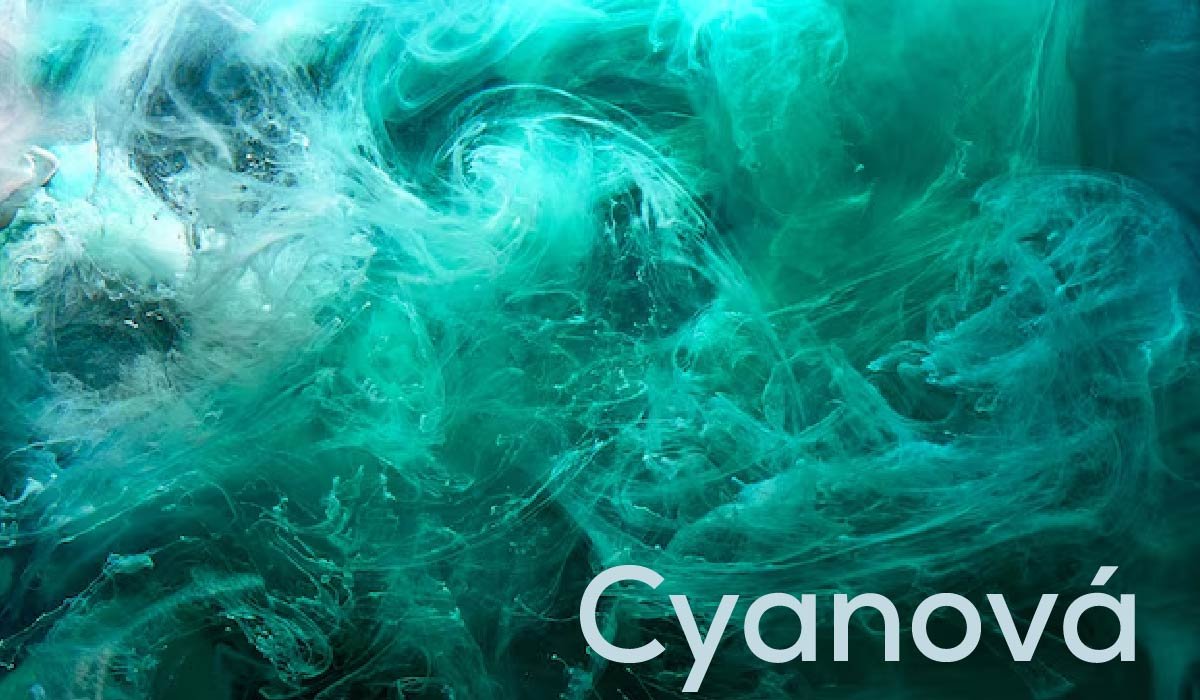
Introduction to Cyanová
Color has always done more than decorate the world around us. It shapes mood, builds identity, influences design, and even changes how people feel when they enter a room, open an app, or look at a brand. In today’s digital age, color is no longer only a visual choice. It has become part of emotional storytelling, modern design language, and the way businesses and creators express meaning. That is why many people are now searching for Cyanová but still do not fully understand what it means or why it feels different from a simple color term.
Cyanová is an expressive term related to the cyan color range, often used to describe mood, tone, design identity, and modern creative expression rather than just a technical color. In simple words, Cyanová is more than a shade. It is a concept that connects color with feeling, clarity, creativity, and modern visual culture. The word feels soft, elegant, and slightly futuristic, which is one reason it draws attention in design, branding, and artistic discussion.
This article explains Cyanová’s meaning in a clear and easy way. It explores where the term Cyanová comes from, how the Cyanová color works in design, what it suggests in psychology, why it fits branding and technology, and why the Cyanová concept is becoming more important in modern communication.
What Is Cyanová?
Cyanová is not just a color name. It is a more expressive and descriptive version of cyan that carries emotional, creative, and stylistic meaning. While cyan is usually understood as a technical color between blue and green, Cyanová feels broader and more human. It is often used to describe not only how something looks, but also the mood, atmosphere, and identity connected to that visual tone. This is why the word feels richer than a standard color label.
In design, branding, art, and digital media, Cyanová can represent calmness, clarity, freshness, creativity, and modern identity. It works as a color concept, a visual style, and even a naming idea for brands or projects that want to feel clean, intelligent, and emotionally aware. The Cyanová concept fits especially well in modern fields where people want beauty and meaning at the same time. Instead of sounding cold or mechanical, it sounds elegant and alive.
Cyanová can also be understood as a bridge between exact color and emotional language. People do not always want to speak about color in technical terms, such as codes or pigment values. Sometimes they want a word that feels visual and emotional at once. Cyanová answers that need by making cyan feel more expressive and flexible.
Cyanová is an expressive term built around the cyan color family. It is used to describe mood, tone, design identity, and modern creative style, not only a strict shade.
In simple words, Cyanová means cyan with added feeling, personality, and cultural meaning.
The Meaning and Origin of Cyanová
To understand Cyanová, it helps to begin with the root word cyan. The word cyan comes from the Greek word “kyanos,” which is linked with dark blue or deep blue color tones. Over time, cyan became widely used in science, printing, technology, and digital color systems. It is now recognized as one of the basic color references in modern visual language, especially in screen and print work. Yet cyan itself often feels technical, flat, or purely functional when used in everyday speech.
The word Cyanová appears to go beyond that technical base. Its structure sounds similar to Slavic or European descriptive forms, especially because of the “-ová” ending. That ending gives the word a softer and more expressive quality. It makes the term feel less like a color code and more like a living description. This matters because language often changes when people want words that carry emotion, style, and atmosphere instead of only definition.
Cyanová likely evolved as a creative or descriptive word rather than a formal scientific term. It feels like a modern language invention shaped by design culture, naming trends, and emotional expression. This is common in branding and visual communication, where words are often created or adapted to sound memorable, elegant, and meaningful. In that sense, Cyanová reflects a bigger truth about language itself. People do not only create words to name objects. They also create words to describe feelings, identity, and experience in a way that simple terms cannot.
Why Cyanová Is Becoming Popular
Cyanová is becoming popular because modern culture values expression, simplicity, and emotional clarity. In the past, technical color names were often enough for professional use. Today, however, people are more drawn to terms that feel human, stylish, and memorable. Cyanová fits perfectly into this shift. It sounds modern, looks elegant in writing, and gives a familiar color a fresh identity. That combination of familiarity and uniqueness is one of the biggest reasons it attracts attention.
Another reason for its rise is the influence of modern branding and digital design. Many companies now want names and visual concepts that feel soft, intelligent, and future-ready. Harsh or overly corporate language often feels outdated. By contrast, a term like Cyanová suggests calm technology, thoughtful design, and a refined visual world. It works well in social media, startup culture, and creative industries where aesthetic identity matters as much as practical function.
Minimalist design trends have also helped words like Cyanová grow in appeal. Modern audiences often prefer clean spaces, balanced visuals, and emotionally intelligent design choices. Color psychology has become more important in branding, apps, and product presentation, so expressive terms linked to color are more useful than before. Cyanová also fits social media aesthetics, where visual mood and tone are central. As a result, modern brands increasingly prefer soft-tech colors like Cyanová because they communicate trust, freshness, and creativity without feeling cold or generic.
Cyanová in Color Psychology
In color psychology, Cyanová carries many of the emotional associations linked with cyan, but it feels softer and more expressive. Colors in the blue-green family are often connected with calmness, clarity, openness, trust, and focus. These are qualities that matter deeply in modern life, especially in environments where people want less stress and more mental balance. Cyanová builds on these familiar effects while adding a refined emotional tone through language. It sounds gentle, modern, and intentional, which strengthens its psychological impact.
One of the strongest associations of Cyanová is calmness. It can suggest cool air, open water, clean light, and peaceful space. These images help explain why the term feels mentally soothing. At the same time, Cyanová also suggests clarity. It feels precise without being harsh, which makes it attractive in digital and professional settings. This mix of softness and structure is one reason it works well in both emotional and practical communication.
Trust is another important quality linked to Cyanová. In visual systems, cyan-like tones often feel honest, transparent, and balanced. They do not push too hard for attention, which can make them feel more dependable. Cyanová also supports ideas of innovation and creativity because it feels fresh and future-facing. It can appear clean and futuristic without losing warmth. That is why tech companies, wellness brands, and creative businesses often use cyan-based visuals. They want to look modern and smart, but also approachable and emotionally balanced.
Cyanová in Design and Visual Communication
Cyanová has strong value in design and visual communication because it combines beauty with function. In UI and UX design, colors must do more than look attractive. They must guide attention, support readability, reduce stress, and create a smooth user experience. Cyanová works well in these settings because it feels easy on the eyes and creates a sense of order without becoming boring. It can add freshness to a layout while still keeping the overall interface clean and controlled.
In website design and app interfaces, Cyanová often supports modern and minimal visuals. It pairs naturally with white, grey, silver, and black, which are already common in digital design systems. With white, it looks bright and pure. With grey, it feels balanced and professional. With black, it becomes sleek and futuristic. This flexibility helps designers build systems that feel modern without becoming visually heavy. Because of that, Cyanová is useful for dashboards, landing pages, product pages, and digital platforms that need both beauty and usability.
Branding and graphic design also benefit from Cyanová because it communicates identity with subtle strength. It stands out without shouting. In digital art and motion graphics, it can create gradients, depth, and clean visual transitions that feel calm but still engaging. It works especially well in minimalist design systems because it supports simplicity while keeping the design emotionally alive. This is why Cyanová is often linked with tech and startup branding. It helps visual communication feel current, clear, and expressive at the same time.
Cyanová in Branding and Marketing
Cyanová is strong in branding and marketing because it offers a rare balance of modernity, trust, and innovation. Many brands struggle to look fresh without seeming temporary, or professional without seeming cold. Cyanová solves this problem by suggesting both intelligence and emotional sensitivity. It has a clean and contemporary feel, yet it also sounds memorable and expressive. That makes it useful not only as a visual direction but also as a naming idea or brand identity concept.
A brand built around Cyanová can feel advanced without becoming distant. It can look stylish without losing clarity. This matters in markets where consumers judge brands by emotion as much as by product quality. The sound of the word itself also helps. Cyanová feels soft, premium, and distinctive. It is easier to remember than a purely technical term, and it carries built-in visual associations. That is powerful in branding because memorable language helps people connect faster with identity and story.
The term fits many industries. Tech startups can use Cyanová to suggest clean innovation. Creative studios and digital agencies can use it to express artistic intelligence. AI companies may find it useful because it balances futuristic energy with human warmth. Skincare, wellness, and eco brands can also benefit because Cyanová suggests calm, purity, and freshness. Design platforms, lifestyle brands, and modern service businesses may use it to create a sophisticated but welcoming image. In marketing, that range is valuable because strong branding works best when a word feels both clear and emotionally rich.
Cyanová in Fashion, Interior, and Lifestyle
Cyanová also has strong potential in fashion, interior design, and lifestyle aesthetics because it feels fresh, elegant, and versatile. In fashion, it offers an alternative to more predictable tones. It can feel modern without being too loud and calm without being dull. A Cyanová-inspired look may appear polished, clean, and confident. It suits both casual and premium fashion because it carries visual freshness while still feeling refined. That makes it useful for clothing, accessories, seasonal collections, and identity-based styling.
In interior design, Cyanová helps create spaces that feel peaceful, open, and modern. It works especially well in bedrooms, living rooms, studios, and wellness areas where calmness matters. The color impression linked with Cyanová can make a room feel lighter and more breathable. It supports environments that reduce visual stress and encourage focus or rest. This is especially important in modern homes, where people want beauty, comfort, and mental ease in the same space.
Lifestyle branding and product packaging also benefit from Cyanová because it feels clean and thoughtful. It suggests balance and quality without needing excessive decoration. In color pairing, Cyanová with white feels clean and bright. Cyanová with grey feels professional and mature. Cyanová with beige feels calm and natural. Cyanová with black feels futuristic and bold. These combinations make it useful across furniture, decor, product presentation, and everyday visual identity. Its adaptability is one reason it fits so naturally into modern lifestyle culture.
Cyanová and Technology
Technology is one of the most natural spaces for Cyanová because the term already feels digital, precise, and forward-looking. Modern screens rely heavily on color for clarity, usability, and emotional tone. In digital products, color is not only decoration. It guides action, signals trust, reduces fatigue, and creates brand identity. Cyan-like tones have long worked well on digital screens, and Cyanová takes that strength a step further by adding emotional and conceptual depth.
In UI colors, tech branding, and AI platforms, Cyanová suggests intelligence without hardness. It feels cleaner than many bright accent colors and calmer than highly saturated designs. On OLED and LED displays, cyan-family visuals often appear crisp and luminous, which adds to the futuristic appeal. This is one reason such tones are common in dashboards, digital ecosystems, and modern software products. Cyanová fits these spaces because it communicates clarity and innovation in a very natural way.
The term also suits XR and VR environments, where immersive design needs colors that feel open, futuristic, and easy to process. It can support the visual language of advanced systems without making them feel robotic. In this way, Cyanová represents something larger than a hue. It represents the meeting point of future, technology, and human emotion. That combination is becoming more important as people ask digital products not only to function well, but also to feel thoughtful and humane.
Cyanová as a Modern Concept and Design Philosophy
Cyanová can also be understood as a modern concept and design philosophy. In this broader sense, it is not only about a visual shade or brand term. It represents a way of thinking about design in the modern world. Many people no longer want experiences that are only efficient. They want them to feel clear, calm, and emotionally intelligent. Cyanová reflects that shift by standing for balance between technology and emotion, function and beauty, minimalism and meaning.
This philosophy values clean but expressive design. It supports interfaces and products that are simple to use but not emotionally empty. It also connects with emotional UX, where designers think carefully about how people feel while using digital tools. Instead of creating noisy or overly stimulating systems, a Cyanová-inspired approach would encourage calm technology. That means building visual environments that reduce stress, improve clarity, and support the user rather than overwhelm them.
Human-centered technology is another key part of this concept. Cyanová suggests that progress should not feel cold. It should feel intelligent, balanced, and humane. This idea is important in branding, app design, digital communication, and product systems. As a design philosophy, Cyanová supports work that is minimalist but meaningful, modern but warm, and innovative without losing emotional depth. That gives it real topical authority as more creators and businesses move toward thoughtful, feeling-based design.
Common Misunderstandings About Cya nová
One common misunderstanding is that Cyanová is just another word for cyan. In reality, the term usually carries more descriptive and emotional meaning than a simple color label. While it clearly belongs to the cyan family, it is often used to suggest mood, identity, style, and visual atmosphere rather than only a precise shade. Treating it as nothing more than a color code misses its broader purpose.
Another misunderstanding is that Cyanová must be only a brand name or only a scientific idea. It is neither limited to branding nor tied only to technical language. It can function as a visual concept, an expressive term, a naming strategy, or a design philosophy depending on context. That flexibility is part of what makes the word useful.
Some people also assume the term is too unfamiliar to be meaningful. In practice, many modern creative terms begin this way. Once they are used in design, media, and communication, they quickly become intuitive. Cyanová is best understood as a descriptive and conceptual term that gives more life to a familiar color family.
The Future of Cya nová
The future of Cyanová looks strong because modern communication is moving toward more expressive and emotionally intelligent language. In branding, businesses increasingly want names and color systems that feel memorable, calm, and future-ready. Cyanová fits that need very well. It has enough familiarity to feel understandable and enough uniqueness to stand out. This gives it long-term value in identity design and visual storytelling.
In AI interfaces and digital environments, Cyanová may become even more useful. As technology becomes more present in daily life, people will continue wanting digital systems that feel human-centered. Colors and terms that suggest trust, clarity, and emotional balance will become more important. Cyanová can support this trend in apps, dashboards, virtual environments, and digital identity systems. It also suits sustainable design and creative technology because it suggests freshness, responsibility, and modern awareness.
The same is true for metaverse design, immersive branding, and future-facing product systems. As visual culture evolves, expressive color language will likely grow. People will not only ask what a color is, but what it feels like and what it communicates. That is why Cyanová-type words may become more common in the years ahead. They answer a growing need for language that joins color, feeling, innovation, and identity in one clear idea.
Conclusion
Cyanová brings together color, emotion, design, and technology in a way that feels highly relevant to modern visual culture. It shows that a color term can become more than description. It can become part of identity, mood, and communication. By moving beyond the technical limits of cyan, Cyanová creates room for creativity, softness, clarity, and modern expression.
Its value is clear across branding, design, digital media, lifestyle aesthetics, and technology. It works because it helps people describe not only what they see, but also what they feel and what a visual message represents. In that sense, Cya nová reflects a larger shift in how language and design now work together. Modern audiences want communication that is simple, expressive, and emotionally aware.
That is why Cyanová matters. It is not just a color reference and not just a passing creative term. It is a modern expressive concept that helps bridge visual precision and human experience. As design culture continues to evolve, Cya nová stands as a strong example of how words can shape the future of meaning, identity, and visual communication.
FAQs
1. What does Cyanová mean?
Cyanová is an expressive term related to the cyan color range. It is often used to describe mood, tone, design style, and modern visual identity rather than just a technical color. The word Cya nová represents calmness, clarity, creativity, and a clean, modern look.
2. Is Cyanová a color or a concept?
Cyanová is both a color and a concept. It is connected to the cyan color family, but it is also used as a design concept, branding idea, and creative expression term. Many designers and brands use Cyanová to describe a modern and calm visual style.
3. Why is Cyanová popular in design and branding?
Cyanová is popular because it looks modern, clean, and professional. It also creates feelings of trust, calmness, and innovation. That is why many tech companies, creative agencies, and digital brands use Cya nová-style colors in their branding and design.
4. Where is Cyanová used?
Cyanová is used in many fields such as graphic design, website design, app interfaces, branding, fashion, interior design, digital art, and technology platforms. It is especially popular in modern digital design and creative industries.
5. What does the Cyanová color represent psychologically?
Psychologically, Cyanová represents calmness, clarity, balance, focus, and trust. It is often used in environments where designers want people to feel relaxed, comfortable, and focused, such as apps, websites, offices, and wellness spaces.
Nextoriaacademy